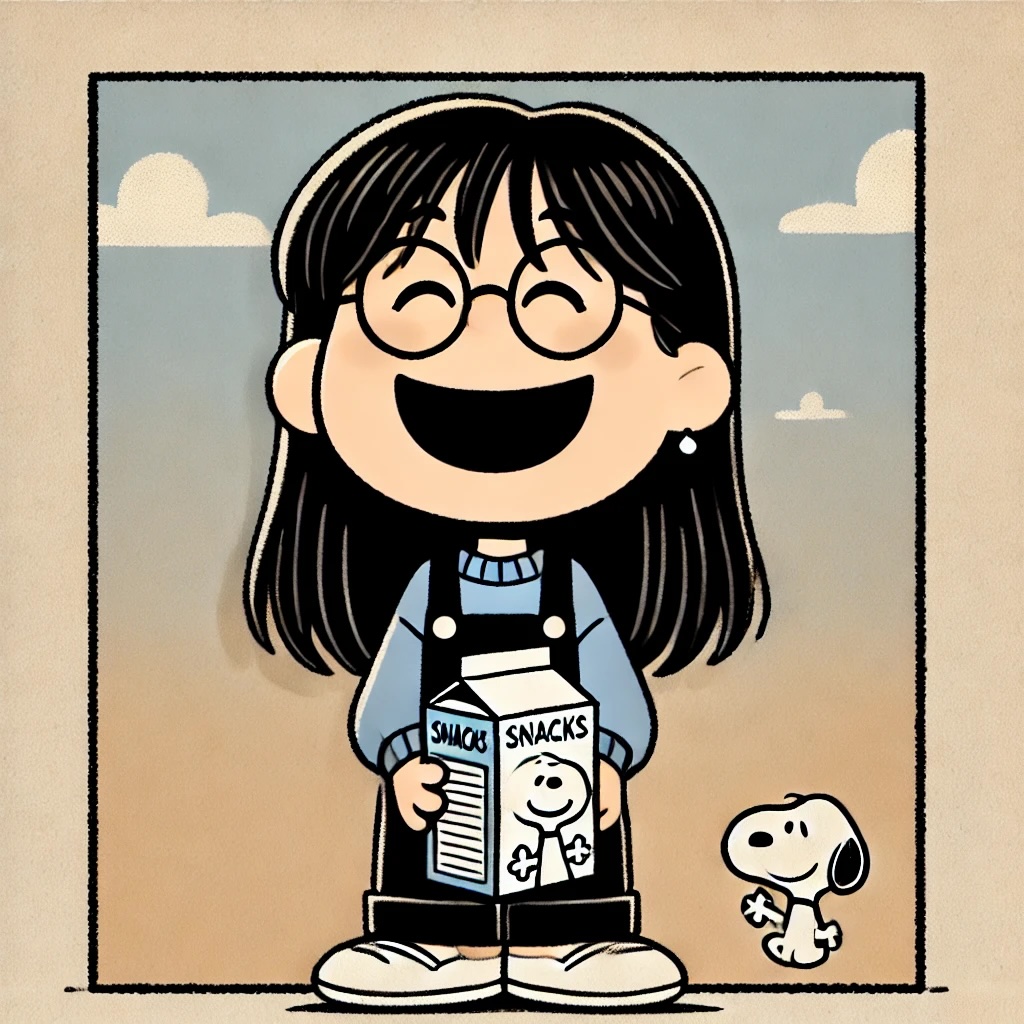
Let’s face it! If you’re in your late 20s or early 30s, finding a serious relationship in this digital age can feel overwhelming. With work, information explosion, and global lifestyles like digital nomadism, meaningful connection is harder than ever. I’ve always been fascinated by human relationships (honestly, I’d love to build an AI tool to help people find love one day), and these are a few lessons I’ve learned along the way.
Here are 7 pieces of advice for anyone seeking long-term connection in a modern dating world:
1. Ask yourself: Do you really want a relationship—or just think you should?
We’re bombarded with messages that we should be partnered by a certain age. But not everyone actually wants a relationship right now. That should be totally fine. Before sign up for your dating app account, take a moment to answer this question truthfully. Wanting companionship is valid. So is not wanting it.
2. Be yourself—even if it means losing a few matches.
Pretending to like hiking, pets, or parties you actually hate might get you a few more swipes, but it won’t get you someone who likes you. Personally, I swipe left on every profile that features cats or dogs because I’m just not a pet person. And if someone’s borrowing a pet for the photo? Even worse! Authenticity filters the right people in and out.
3. Choose coffee for the first date, not dinner.
Coffee is neutral, casual, and fair—especially when it comes to expectations around who pays. In a place like NYC, two coffees are around $15. For the rest of the world, the price is similar or even less. You’re there to get to know each other, not to sit through a fancy meal with someone you might never see again. And let’s be real—if the vibe is off, you don’t want to be stuck awkwardly eating an entrée while making small talk. I’d rather enjoy good food alone than force myself through a bad dinner date. A coffee date gives you an easy out; you can wrap it up after an hour if you want and won’t feel bad.
4. Don’t doubt the process—but don’t rely on it entirely.
I used to ask myself all the time, “Can I really meet the right person through an app?” But then I realized—even I’m on the app. So why wouldn’t my Mr. Right be, too? The truth is, a lot of us are just trying our best to find connection in a digital world. That said, don’t put all your hopes into swiping. Stay open to the people you meet in real life—at events, through friends, or during everyday moments. Love isn’t only online.
5. (Especially for women): Prioritize your safety—always.
If you’re someone who hasn’t dated much before—maybe you’ve always been the “good student” type—please take your safety seriously. Dating apps can lead to great conversations, but they can also expose you to uncomfortable or dangerous situations. Always meet in a public place. Let a friend know where you’re going and who you’re meeting.
I’ve had a terrible experience myself. I was an apprentice lawyer at the time, and even though we were in a public setting, something happened that crossed the line. I knew I wouldn’t have enough evidence to pursue a sexual harassment case—and that realization was devastating. Afterward, I developed a kind of male phobia that lasted for at least half a year. I didn’t feel safe. I didn’t want to date. It shook me to my core.
That’s why I now set clear boundaries. I don’t sit side by side on a first date—no matter how many tips say it’s “more romantic.” Across the table, face to face, is more than enough. You can be open to love and protect yourself. The two aren’t mutually exclusive.
6. Know your “ideal type”—but stay flexible.
It’s totally okay to have a list of what you’re looking for. Honestly, I think it’s helpful. I care about things like education level, career ambition, height, and physical appearance. Probably a few other things, too. For me, having a list just makes it easier to narrow things down because there are so many people in the world. Your goal on dating apps isn’t to say yes to everyone. Instead, it’s to swipe left as much as possible, while still keeping an open mind when you’re not 100% sure someone is a no.
Just make sure your list reflects what you truly value. Not what society tells you is ideal. Your version of a great partner doesn’t have to match anyone else’s.
And here’s what I’ve learned: every time I go on a date, I revise my list. I used to think I’d only date someone over 6 feet tall until I had a really great conversation with a guy who was around 5’7”. That changed my perspective. At the same time, some red flags became clear—like someone putting their own chopsticks into a shared hot pot. It might seem small, but for me, it showed a lack of awareness or respect. That, among other things, helped me form one of my personal rules: always start with coffee. It’s simple, low-pressure, and you learn a lot from the small things.
So yes, know what you want but leave space to be surprised. Preferences are useful, but real connection often comes from what you didn’t expect.
7. Finding the right person is a game—learn how to play it smart.
If you’re hoping to find your Mr. or Ms. Right before society’s so-called “ideal marriage age,” the truth is—it’s a bit of a game. And like any game, timing and strategy matter. Every year, great people leave the dating pool. That doesn’t mean you should panic or rush into the wrong relationship, but it does mean you should be intentional.
Don’t just rely on vibes or fate—read books, talk to people, observe how different relationships work. Learn from others’ experiences, successes, and mistakes. Eventually, you’ll develop your own strategy that feels right for you. Because love isn’t just about emotion. It’s also about timing, self-awareness, and knowing how to move when the moment is right.
Final thoughts:
Always love yourself first. Focus on what you want to pursue in life. A great partner is a huge bonus but there’s absolutely nothing wrong with being single.
No one can give you the “best” dating advice. Think about it: if someone has a lot of dating experience, doesn’t that mean they’ve made a lot of wrong choices? Should you fully trust them? And if someone’s only had one relationship and it worked out. Maybe they just got lucky. Everyone’s path is different.
So take advice as a tool, not a rulebook. Learn what you can, then trust yourself to build a strategy that fits you. Your version of love is out there—and you’re the one who gets to decide how to find it.